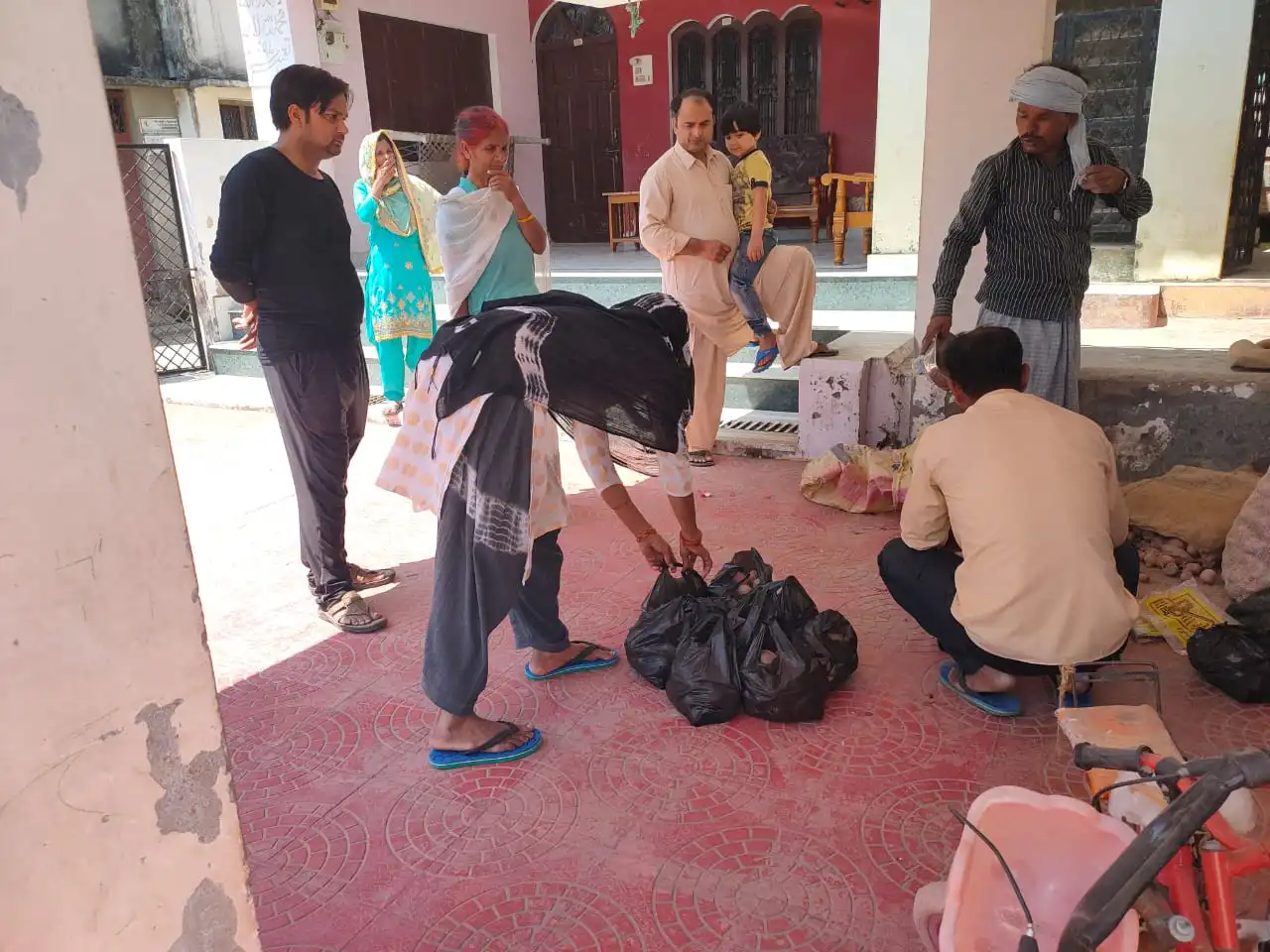
Education is more than just books, classrooms, and exams—it is also about the values, empathy, and compassion that shape young minds. While academic success is important, small acts of kindness in education often leave the deepest and most lasting impact. Whether it’s a teacher encouraging a struggling student, a peer helping with homework, or a community donating school supplies, these seemingly small gestures can create a ripple effect of positivity that transforms lives and societies.
Encouragement Builds Confidence
A kind word from a teacher or mentor can change a child’s life. When students are struggling, they often feel invisible or incapable. A simple gesture of encouragement, such as telling them “You can do it” or celebrating their effort rather than just their results, can boost their confidence. This confidence often becomes the driving force behind improved performance and greater resilience in the face of challenges.
Creating Inclusive Learning Environments
Acts of kindness in classrooms, like helping a classmate understand a difficult concept or inviting someone to join a group activity, foster inclusivity. These small moments ensure no student feels left out or unworthy. Inclusion builds stronger bonds among students and creates an environment where everyone feels safe to learn and grow. In the long run, this culture of kindness develops socially responsible individuals who value cooperation over competition.
Inspiring a Ripple Effect
One small act of kindness often inspires others to do the same. For example, if a student helps a peer with schoolwork, others in the class may feel motivated to contribute in their own ways. Teachers who show compassion often nurture students who grow up to be empathetic leaders. These ripple effects extend beyond classrooms into families, workplaces, and entire communities, gradually shaping a kinder and more understanding society.
Supporting Mental and Emotional Well-being
In today’s fast-paced world, many students face stress, anxiety, or self-doubt. Small gestures of care—listening to their concerns, offering reassurance, or showing patience—can significantly improve their emotional well-being. Schools that cultivate kindness reduce bullying and create healthier learning environments where students feel valued. Mental well-being, in turn, enhances concentration, creativity, and overall academic success.
Strengthening Communities through Education
Kindness in education extends beyond schools. Community-driven efforts, such as donating books, funding scholarships, or mentoring underprivileged children, can transform opportunities for those who may otherwise be left behind. Though these contributions may seem small, they collectively empower the next generation, break the cycle of poverty, and build stronger, more compassionate communities.
Conclusion
Small acts of kindness in education—whether through words, gestures, or actions—are far more powerful than they appear. They build confidence, create inclusivity, inspire ripple effects, support mental well-being, and strengthen communities. In a world often focused on achievements and results, kindness reminds us that education is not just about what we learn but also about how we treat one another. When kindness becomes a part of education, it creates big impacts that last for a lifetime, shaping not only better students but also better human beings.